
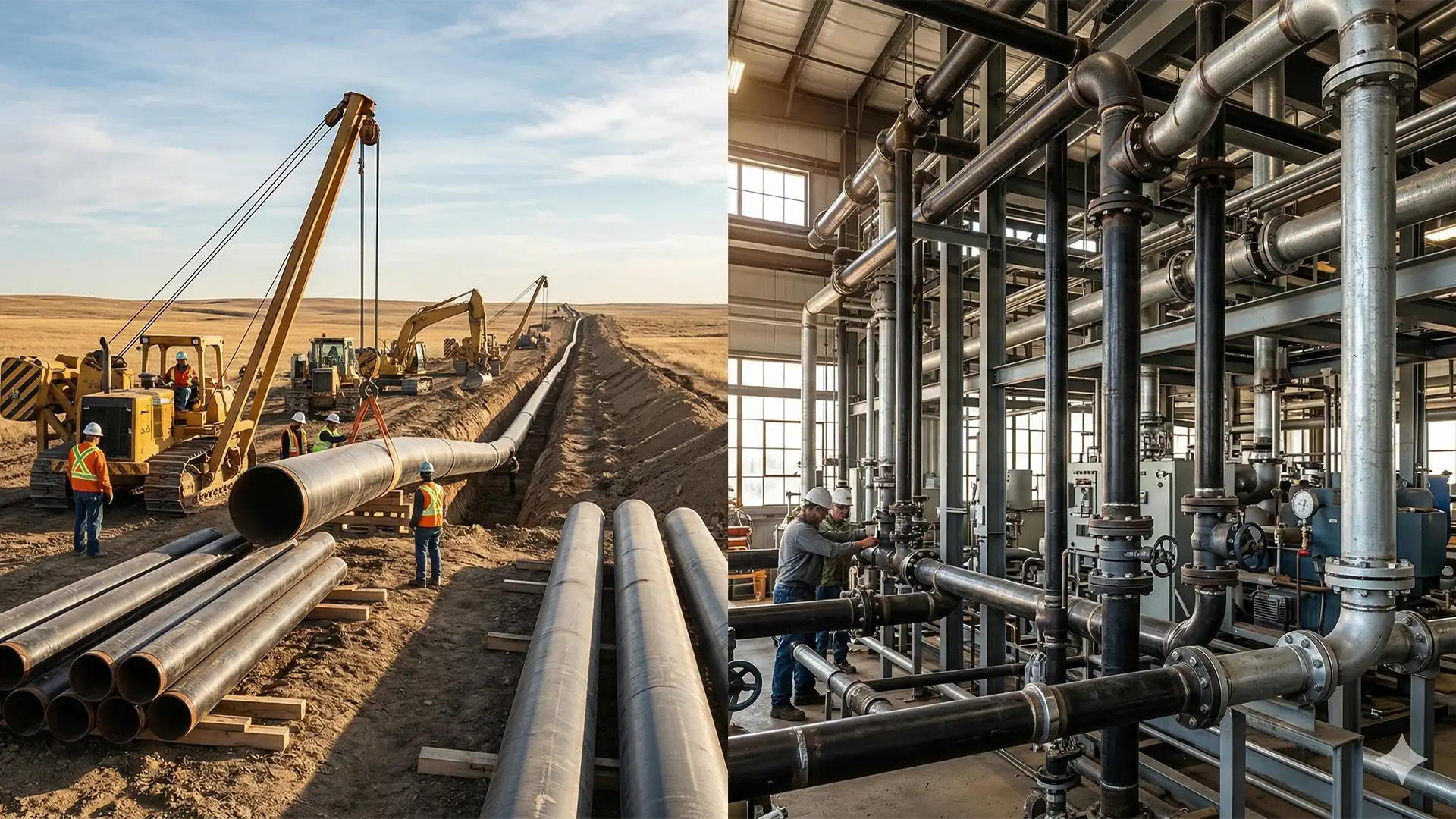
API 5L vs. ASTM A53
Understanding the difference between line pipe manufactured for high-pressure transmission versus standard utility carbon steel pipe.
View Guide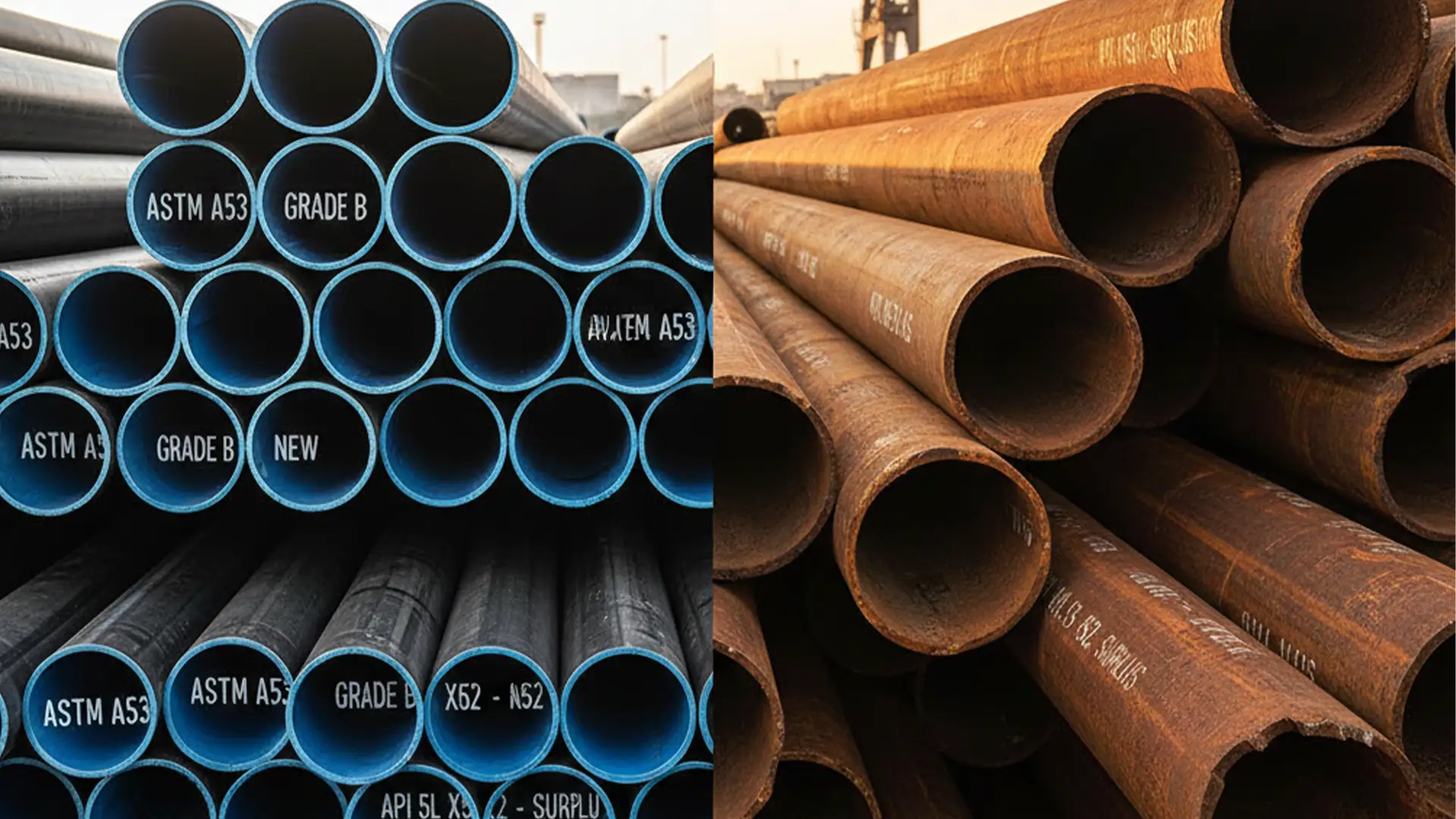
Grade Comparison Guide
A comprehensive breakdown of yield and tensile strengths across ASTM A252, A500, A53, and API 5L X-Grades.
Compare Grades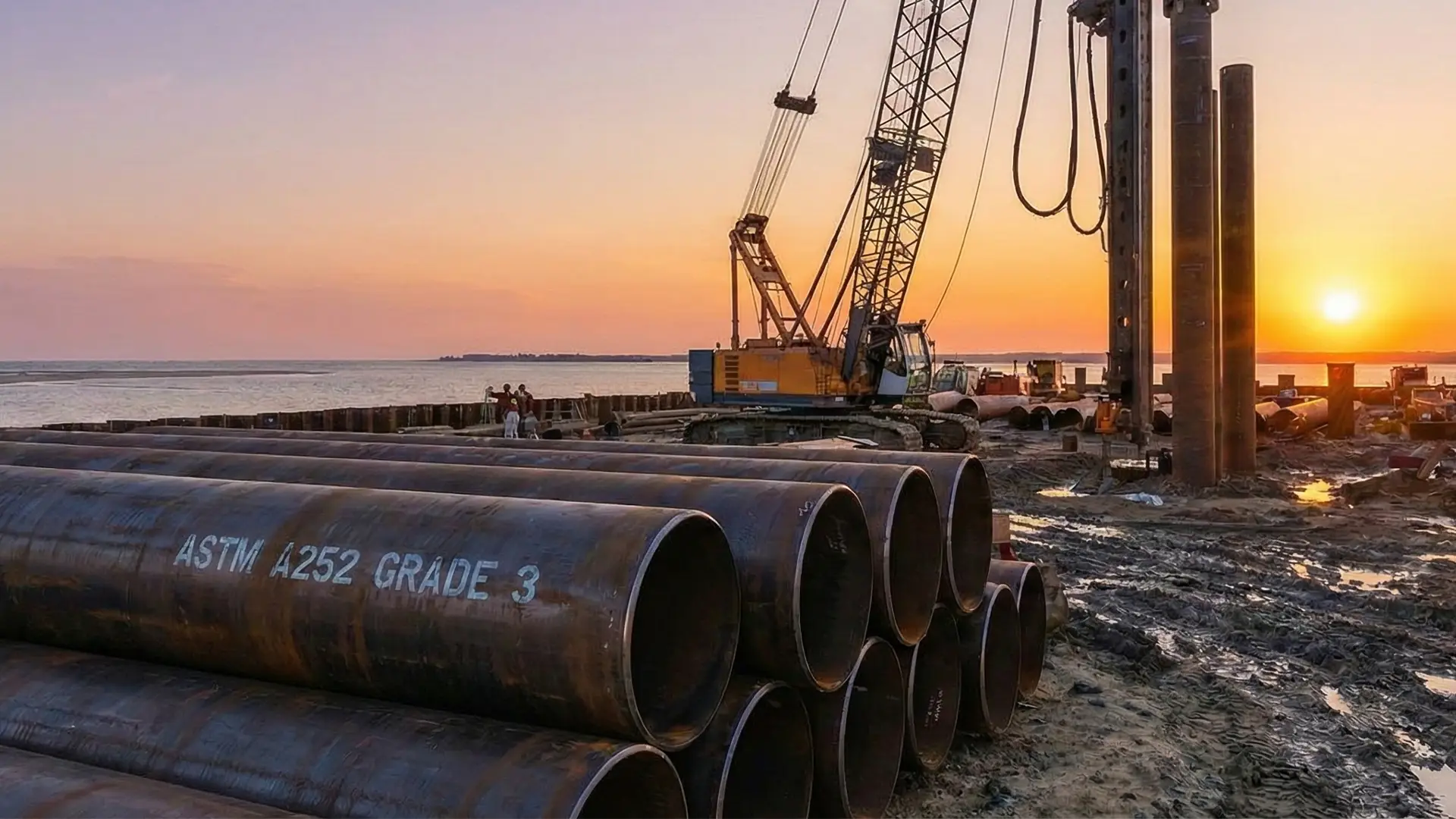
Understanding ASTM A252
The definitive specification for driven steel pipe piles. Explore the structural differences between Grade 1, Grade 2, and Grade 3.
View Spec Sheet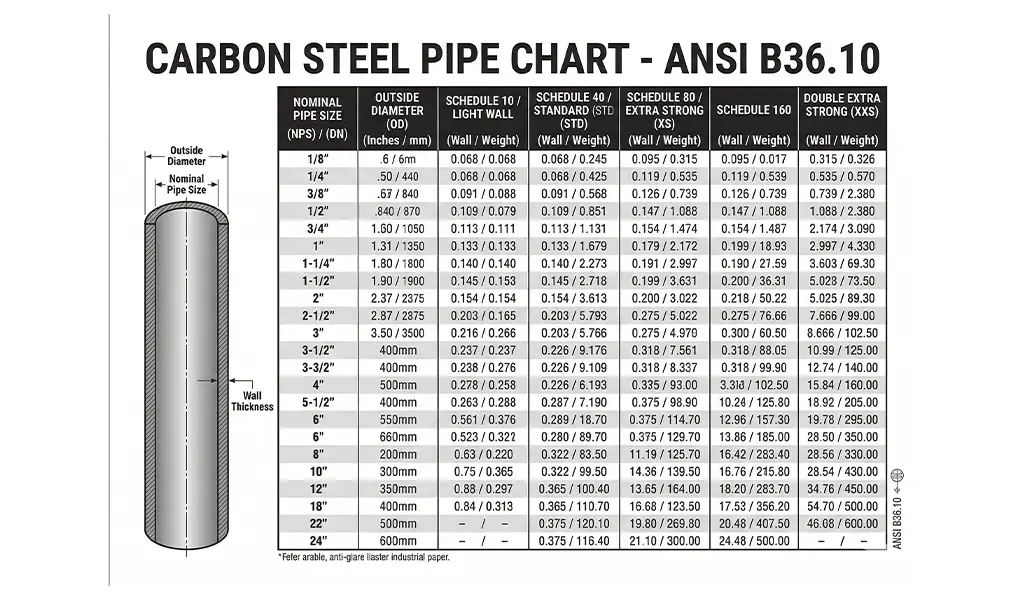
Carbon Steel Pipe Chart
Nominal Pipe Size (NPS) vs. Actual Outside Diameter. Complete ASME B36.10M dimensional data and schedule thicknesses.
View Dimensions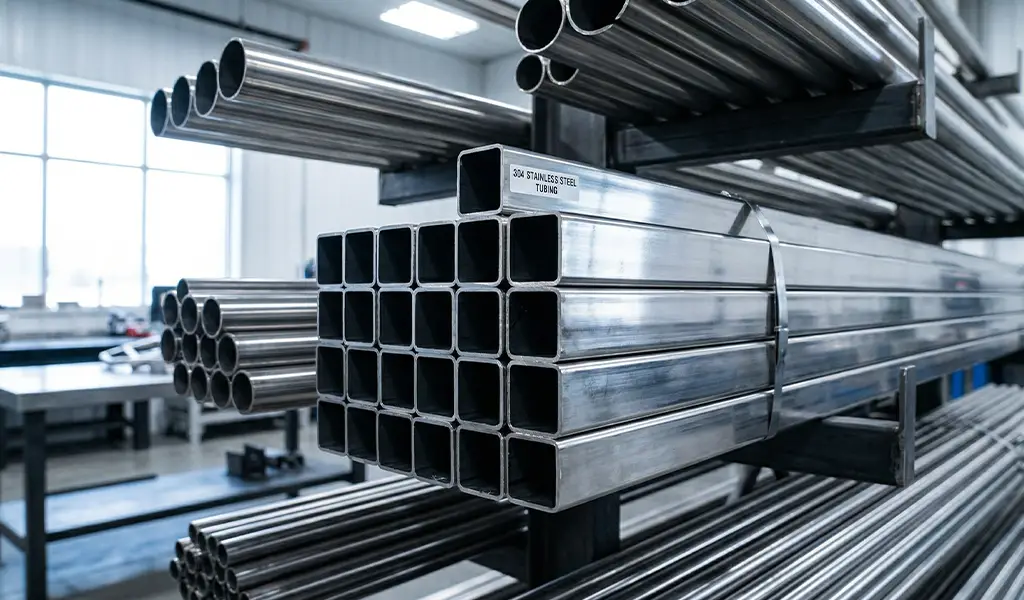
Stainless Grades: 304 vs. 316
When a project requires maximum protection against oxidation and contamination, understand the crucial differences in these core alloys.
Compare Alloys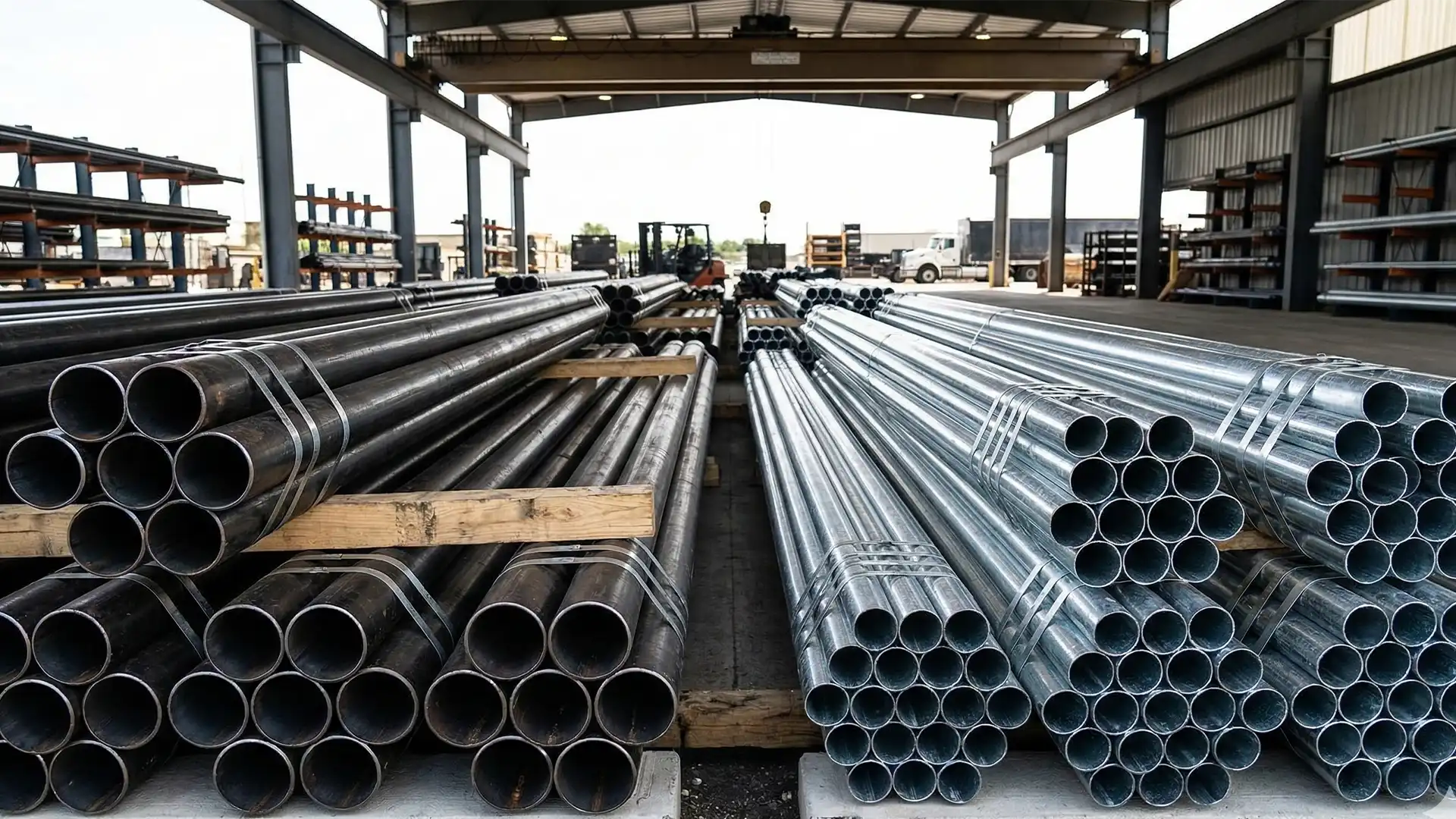
Galvanized Specs & Weights
Hot-dip zinc coating specifications for superior weather resistance in fencing, sign poles, and structural frames.
View Spec Sheet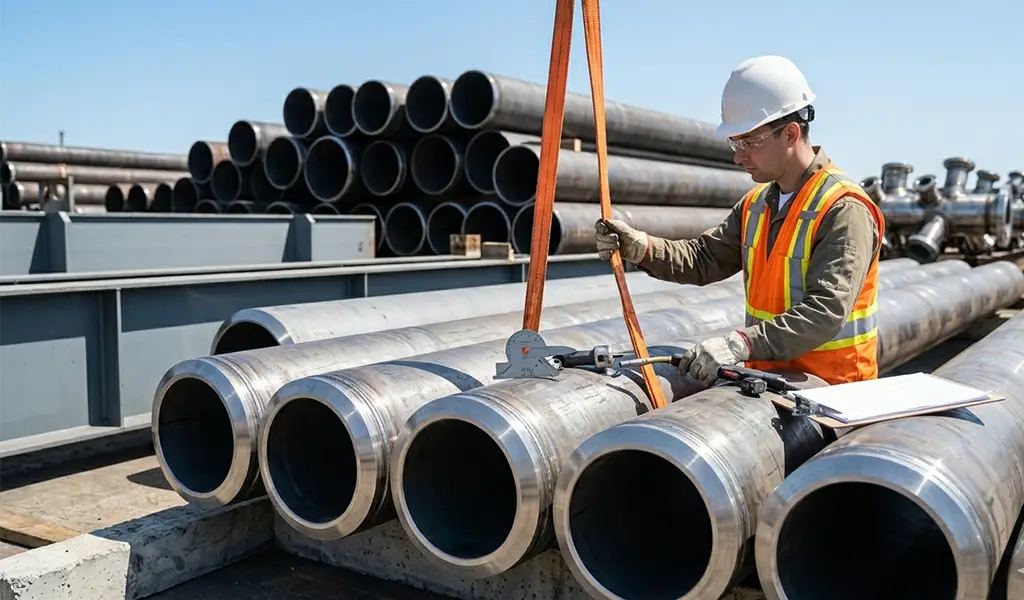
Alloy Pipe Specifications
Chrome-moly and advanced alloy specifications designed for extreme high-temperature and high-pressure power generation.
Read Guide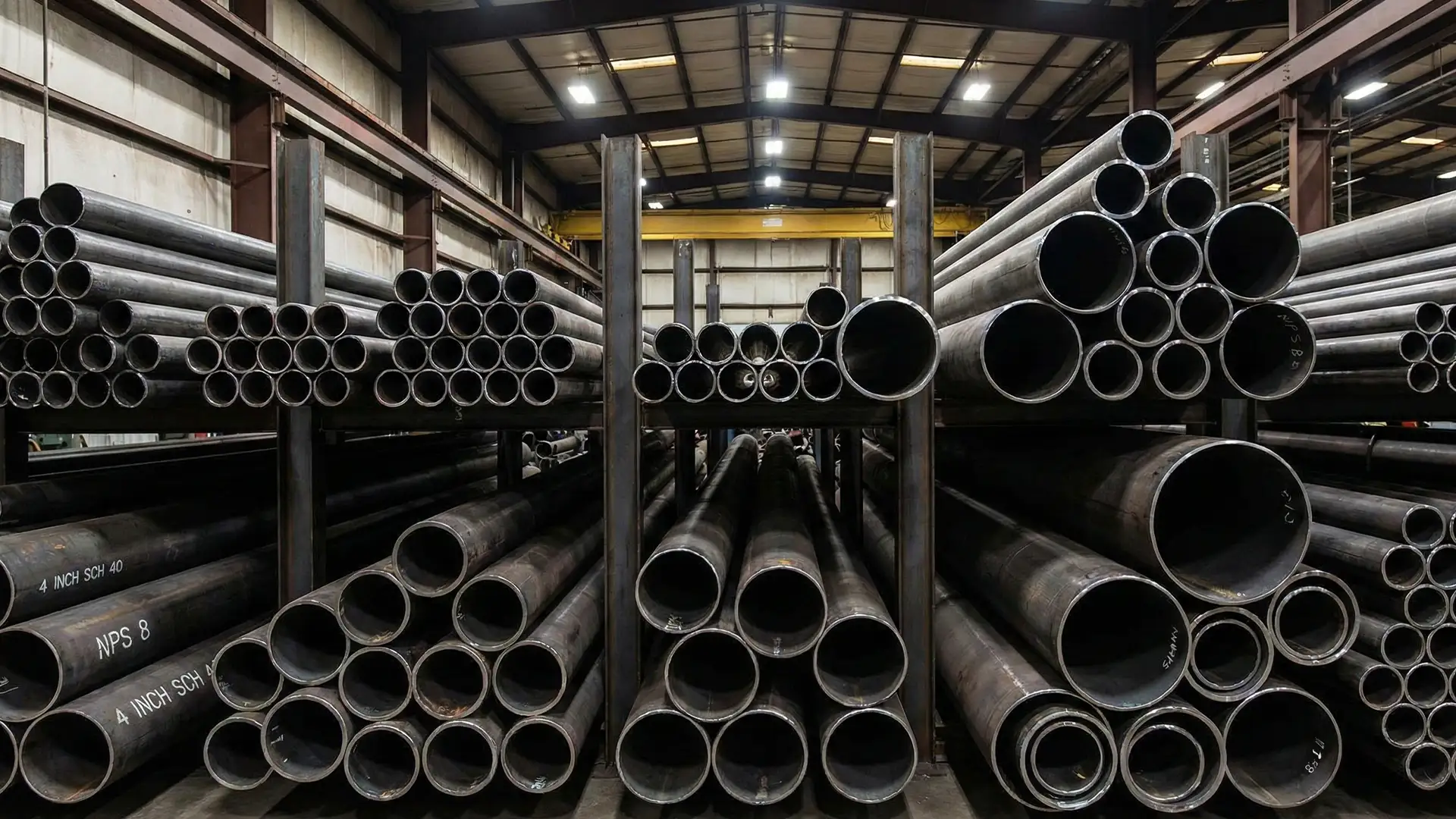
Understanding Pipe Sizes
Demystifying pipe dimensions. Why a 2-inch pipe doesn't actually measure 2 inches, and how wall schedules work.
Read Guide
Pipe Terms & Glossary
An A-to-Z reference guide for steel pipe terminology, abbreviations, and common job site slang.
View GlossaryThe Importance of Accurate Steel Pipe Specifications
Yield strengths, chemical compositions, and dimensional tolerances for heavy civil engineering.
In structural engineering and deep foundation construction, selecting the correct material is the most critical phase of project planning. Our comprehensive steel pipe specifications archive is designed to provide estimators, detailers, and project managers with immediate access to crucial metallurgical and dimensional data.
Navigating the nuances between different regulatory bodies can be complex. Whether you are comparing the high-pressure pipeline requirements of API 5L vs. ASTM A53 or evaluating the minimum yield strengths for driven piling under ASTM A252, our guides break down the exact chemical compositions and mechanical properties required by the code.
Beyond structural carbon steel, we provide detailed reference materials for specialty applications. This includes dimensional data found in our Carbon Steel Pipe Chart (referencing standard ASME B36.10M data), as well as specific alloy comparisons for corrosive service Stainless Steel (304 vs 316).
Ultimately, the success of a fabrication or piling project relies on procuring exactly what the engineer stamped. By utilizing our comprehensive Grade Comparison Guide and understanding the strict tolerances required by modern mills, you can eliminate over-engineering costs while guaranteeing long-term structural integrity.
Need Processing for your Pipe?
Explore our fabrication and finishing services before it hits your job site.